QGDC’s core infrastructure gives you secure colocation space inside a Tier III modular facility, with power, cooling, and 24/7 operations included. Contracts run three to ten years, so finance gets predictability and engineering gets room to scale. Built for the workloads your business can’t afford to interrupt.
Step into infrastructure that’s already at full speed
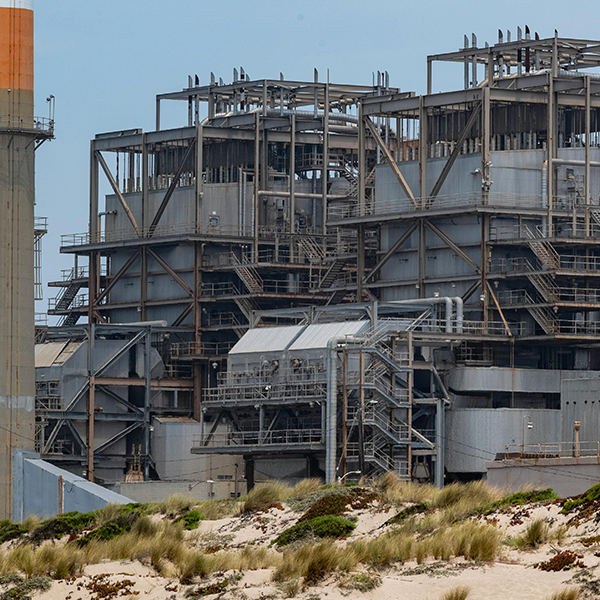
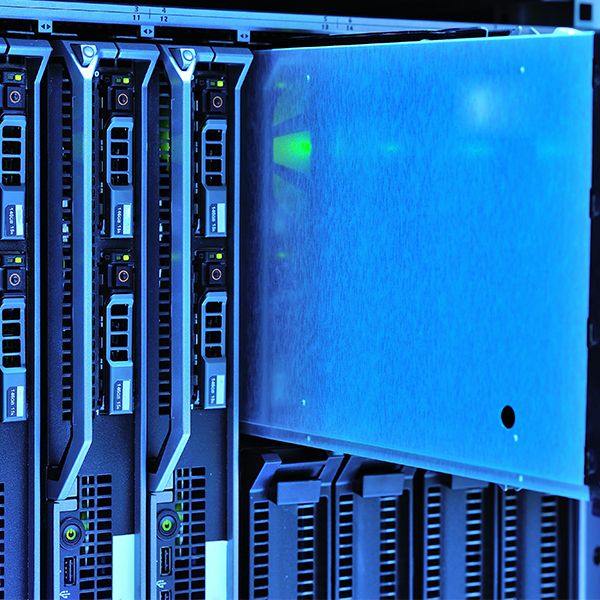
Colocation Space
Secure space inside QGDC's Tier III modular facility for hosting your hardware.
Power and Cooling
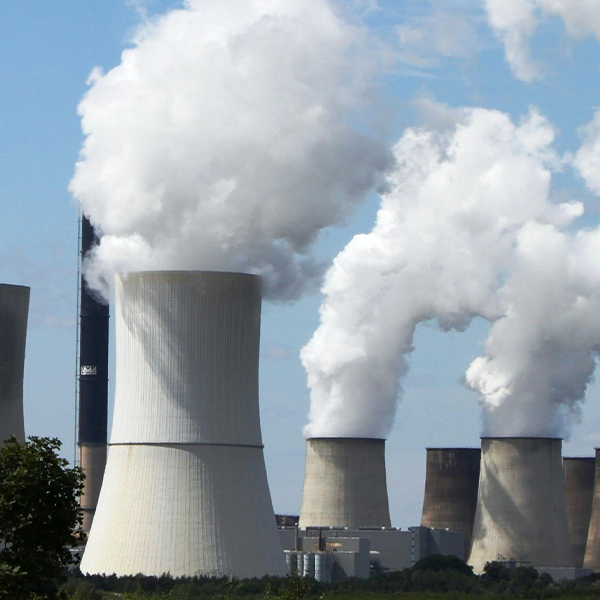
QGDC combines 136 MW on-site captive power, a dedicated 132 kV grid connection, and efficient cooling to support scalable data center growth up to 100 MW.
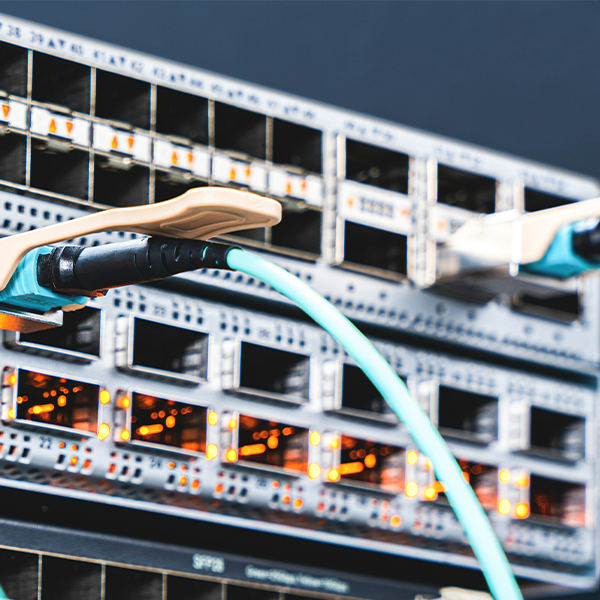
24/7 on-site operations
A dedicated NOC and facility management team handle the day-to-day so your team doesn't have to.
Multi-year contracts
Core Infrastructure runs on three- to ten-year colocation contracts. Long-term agreements give your finance team predictable cost structures and your engineering team a stable platform to plan around.
Liquid-Ready Scaled Design
Designed for future readiness, our facilities incorporate liquid-ready cooling infrastructure from day one, supporting AI and high-density workloads while ensuring long-term scalability as your requirements grow.
Industry-Leading PUE
QGDC's infrastructure is designed with advanced cooling and energy-efficient systems to achieve a target PUE of ≤ 1.4, ensuring optimal performance, sustainability, and operational excellence.
Built for the workloads that can’t be interrupted.
QGDC’s core infrastructure is designed to host the systems that organizations cannot afford to take offline. That includes core banking platforms, fintech infrastructure, sovereign cloud deployments, AI compute clusters, and large-scale enterprise workloads. Customers come from across the regulated economy: banks and financial institutions, cloud service providers and hyperscalers, government bodies, healthcare and education sectors, and content delivery network operators. The build is engineered to meet the standards each of these sectors expect, with the capacity and operational discipline to support workloads that scale from steady-state production to high-burst events.
Built to be a long-term home for your stack.
QGDC’s colocation contracts run three to ten years, which gives your finance team predictable infrastructure costs and your engineering team a foundation that doesn’t move underneath them. Capacity is added in modules, so you can start at the size you need today and expand as your workloads grow. The model is designed for organizations that want to free their internal IT teams from operational maintenance and redirect that capacity toward product work, without giving up control of their hardware.